Why Is the Upload Speed So High on Fiber Optic
Picking out an internet provider for your unique piece of work and personal needs can be challenging, particularly when you're unfamiliar with the different connection types. Connecting to the internet requires data to travel via radio waves, phone lines, cable networks, satellite dishes, or electrical wiring. Digital subscriber line (DSL), cable, and cobweb-optic are the about common net connections, and they differ in download and upload speeds, prices, and amount of bandwidth. They're known as "last mile" technologies, bridging the internet "backbone" and users' residences.
Bandwidth is divers past the volume of information that can be sent over a connection in a measured corporeality of fourth dimension: megabits per 2d (Mbps). On the other hand, speed is how fast that information is received or downloaded. These are both reliable measurements of connection quality when picking your internet provider.
Notwithstanding, each connectedness type has different download and upload speeds. It varies for each person, but near of us download more than upload, then providers requite more than bandwidth to the former.
In this guide, we compare DSL, cable, and fiber cyberspace to help you observe the right service for your home.
Comparing DSL, Cable, and Fiber Speeds
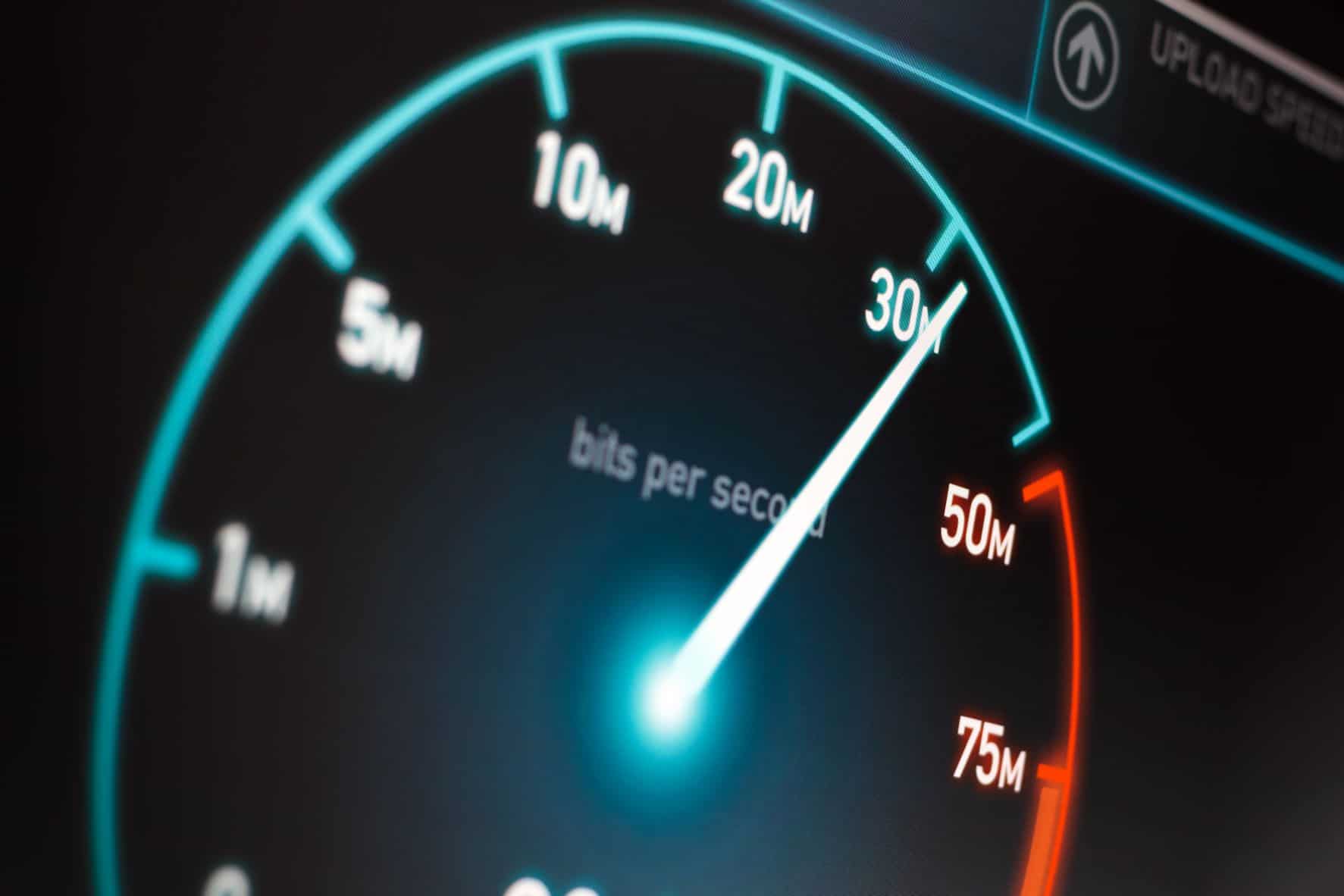
One key difference between DSL, cable, and fiber internet is speed. Look at the table below to see which download and upload speeds align with your cyberspace needs.
| Connection type | Download speed range | Upload speed range |
|---|---|---|
| DSL | 5 to 35 Mbps | i to 10 Mbps |
| Cable | 10 to 500 Mbps | five to 50 Mbps |
| Fiber | 250 to 1,000 Mbps | 250 to 1,000 Mbps |
DSL Internet: Tedious, but the Virtually Affordable
DSL net in the U.S. operates on local phone lines to connect to the internet. Information technology's lower bandwidth (check the bandwidth calculator to see how much data you need) and the slowest option, simply information technology's sufficient for a single user with basic usage, such as surfing the web and streaming in standard definition. DSL is the nearly widely available and cheapest option of the three types of connection nosotros cover here. It'south as well easy to set and doesn't typically require professional installation or fees. CenturyLink has a DSL plan with no data caps, which is ever ideal. DSL is the better alternative for users who live in rural areas and don't want to stick with satellite internet, which can be slower and have high latency. It'due south non as widely available in rural areas as satellite internet though.
Pros
- Wide coverage
- Affordable
Cons
- Slow speeds
- Unreliable connection the further away y'all are from the provider
Cable Internet: All-time With TV Bundles
Residential cable cyberspace uses cable wires to provide a high-speed internet connexion and Television service. With download speeds of up to 500 Mbps and upload speeds of up to 50 Mbps, cable internet tin ability a household with multiple devices. Cable providers besides offer bundles that include TV, phone, and internet service for a lower cost than ownership each individually. Some cable providers, such as Spectrum, have plans with speeds most equally fast equally fiber net. Information technology's non the fastest, merely cable internet is much faster than DSL. It's a good option for people who want a consequent and reliable connection but don't demand lightning-fast internet. This is a mutual connection type in cities like Dallas.
Pros
- Broad availability
- Affordable Television receiver bundles
- Multiple speed and price ranges
Cons
- Higher costs for cyberspace-only plans
- Slow speeds during peak employ times
Cobweb Internet: Fastest, only Express Coverage
Cobweb-optic residential net is the newest technology in the broadband marketplace, and it'due south powered past expensive, loftier-speed cables made of fibers and glass that accomplish residents' homes. Its high speeds make streaming HD videos and joining Zoom calls with numerous people efficient and easy. It'south the best option for heavy cyberspace users, such as gamers or a family unit that streams on multiple devices simultaneously. AT&T Net offers fiber plans that can attain upwardly to v Gbps. Fiber is commonly used in major cities such as San Diego and Los Angeles.
Pros
- Bachelor with major providers such as Verizon Fios, Google Cobweb, and AT&T
- Fast and reliable speeds
Cons
- Really expensive
- Express coverage
DSL vs. Cablevision
DSL uses telephone lines and is the slowest option, whereas cable transmits data over copper Tv set lines, works faster, and carries more bandwidth. DSL is widely bachelor because about every office of the land has admission to phone service, so it's a nifty option for people in rural areas who don't desire to choose satellite internet. Cable is ideal if you stream on multiple devices, hop on a lot of video calls, or download large files, while DSL is better if you only check your email every once in a while and casually surf the internet.
Cable vs. Cobweb
Fiber net provides a high-bandwidth connectedness and speeds up to 1 Gbps. Cable speeds can be equally fast as fiber, just they slow down during peak use times when all your neighbors get home from work and sentry Netflix or a big game. That said, cable covers near 88 percent of the U.Due south. at an average speed of 10 to 500 Mbps. Fiber is great for competitive online gamers or someone who wants the fastest speed available and lives in larger cities where it'due south available. If y'all want extremely fast internet, then AT&T Internet is a summit contender.
DSL vs. Fiber
DSL and fiber are complete opposites when it comes to speeds and coverage. Cobweb is new, so it has less coverage than DSL, but fiber expansion projects are under way. DSL unremarkably runs over pre-existing lines, making setup easy. On the other hand, fiber requires professional installation services to run the fiber-optic cables to your house. Internet providers such as CenturyLink offer both DSL and fiber plans.
The Main Takeaway: Cobweb Is the Fastest Cyberspace Option
Fiber internet is your best bet for fast and reliable internet (exterior of breakthrough entanglement engineering science). It tin reach speeds up to i Gbps and endure severe weather conditions, which helps minimize outages. Fiber net makes it possible to connect multiple tablets, laptops, and phones at once with minimum lag. In short, it offers optimal functioning for anything that would require fast and efficient internet.
Fiber, withal, isn't the cheapest or almost widely available. Service is still very limited, which ways people who live in metropolitan cities accept a better chance of finding it than those living in rural areas. If you can afford fiber plans and y'all're all about fast and reliable connections, and so fiber is your best option. That doesn't mean cablevision isn't a solid choice, because its speeds can reach upwardly to 940 Mbps.
Which internet connexion is all-time? Information technology depends, only, at the end of the day, your best option volition always be what yous recall serves your needs and budget.
Frequently Asked Questions About DSL, Cable, and Cobweb Internet Options
How do I get fiber Internet?
Search for cobweb internet providers in the U.S. to find out whether any offering service in your surface area.
Can you get Wi-Fi with cable cyberspace?
Yes, you volition need a modem and router in social club to go Wi-Fi via cable net.
Who nevertheless uses DSL internet?
Approximately 89 percent of the U.Due south. has access to DSL. Information technology's an affordable, albeit slow, option.
Is DSL more reliable than fiber and cablevision?
DSL isn't every bit reliable as fiber or cable internet considering it all the same uses telephone lines and requires residents to exist nearly the Internet service provider. The farther abroad you lot are from the provider, the spottier your connection volition be.
Why are fiber internet prices and so high?
Fiber internet plans provide peak speeds, so they typically cost more. It'southward also the latest in broadband engineering, so the costs are higher.
Source: https://broadbandnow.com/guides/dsl-vs-cable-vs-fiber
0 Response to "Why Is the Upload Speed So High on Fiber Optic"
Post a Comment